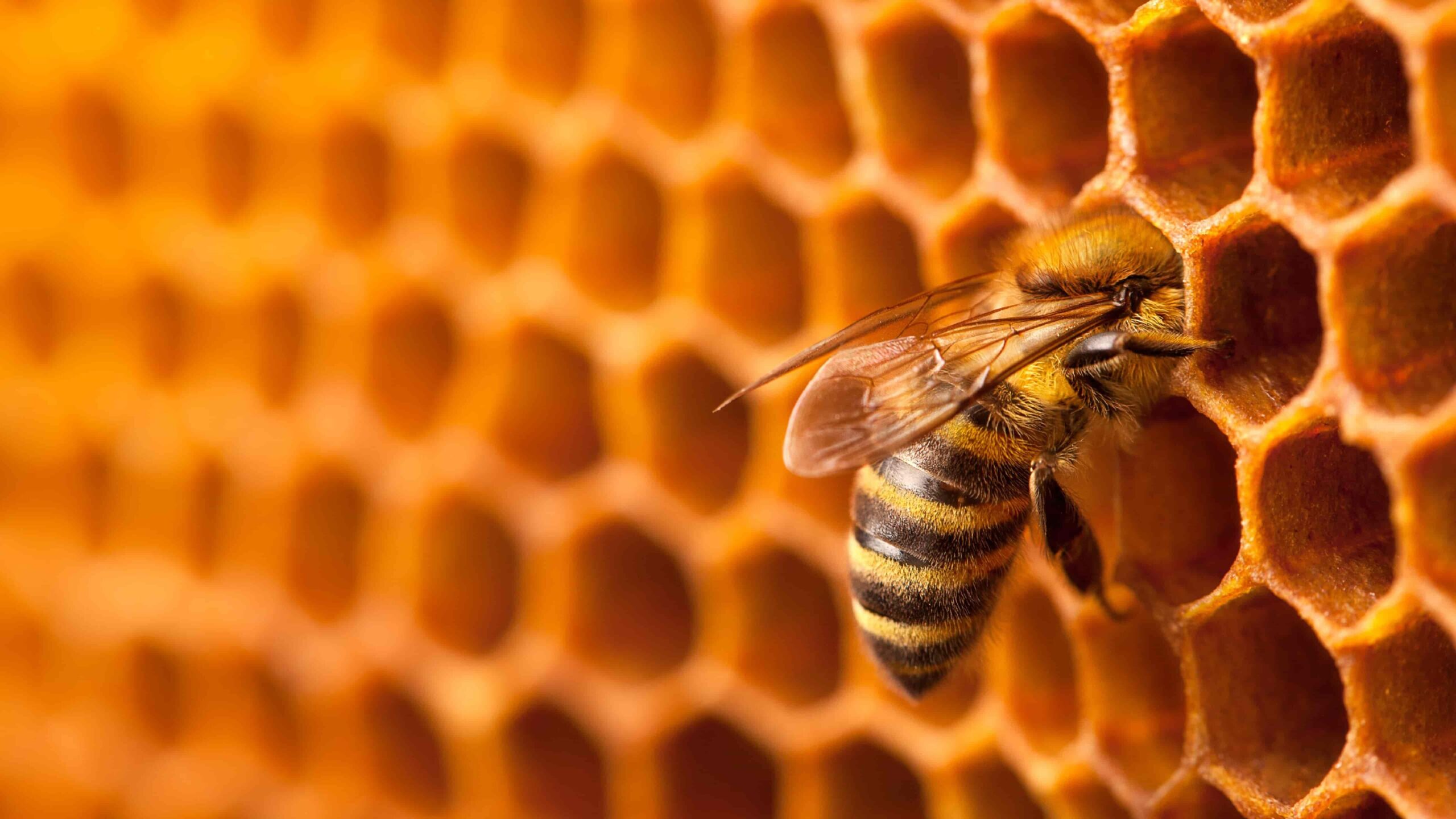
Why Pollinators Are Foundational to Productive Land Systems
Reading time: ~8–10 mins
A Legal First That Signals a Broader Shift
For the first time in global legal history, a country has formally recognized the legal rights of insects. In this case, stingless bees in the Amazon region of Peru.
While this development may appear symbolic at first glance, it reflects a deeper shift in how ecosystems are being understood. Pollinators are no longer viewed simply as background biodiversity. They are increasingly recognized as foundational contributors to food systems, forest regeneration, and ecological stability.
When legal systems begin acknowledging ecological function, it suggests that the role of pollinators is moving from environmental concern to structural importance.
Why Bees Matter to Food and Biomass Systems
Pollinators contribute to the reproduction of a significant share of global crops. Fruits, vegetables, oilseeds, nuts, forage crops, and many tree species rely on insect-mediated pollination to varying degrees.When pollinator populations are stable, crop yields tend to be more consistent. When they decline, production volatility increases.
Beyond agriculture, bees support wild plant regeneration. That regeneration stabilizes soils, strengthens water cycles, and maintains habitat for other species. These interactions are not isolated events. They form part of a living network that supports productive land.
Healthy pollinator populations are therefore directly connected to food security, biomass reliability, and long-term land function.
Colony Collapse and Systemic Risk
Over the past two decades, reports of colony collapse disorder and broader pollinator decline have raised concerns across agricultural and scientific communities.
Several pressures contribute to this pattern. Habitat fragmentation reduces forage diversity. Chemical exposure weakens colonies. Climate variability disrupts flowering cycles. Disease spreads more easily when ecological buffers are diminished.
These pressures rarely act alone. They compound.
As land systems become more simplified and degraded, pollinators face increasing stress. As pollinators weaken, agricultural systems become more fragile. The relationship is reciprocal.
Pollinator decline is therefore not only an environmental issue. It is an agricultural and economic risk factor.
Recognizing Ecological Function in Law
The recognition of stingless bees in Peru highlights a broader trend. Ecosystems are being reframed not merely as extractive resources, but as functional systems that underpin productivity.
Legal recognition does not solve ecological decline on its own. However, it reflects an understanding that certain species play structural roles in maintaining resilience.
Pollinators are part of natural infrastructure. Their presence supports crop reproduction, biodiversity, and soil regeneration. Their absence introduces instability.
When ecological roles are formally acknowledged, land management conversations tend to evolve.
Pollinators and Regenerative Land Systems
Regenerative land systems often improve conditions for pollinators by increasing plant diversity, reducing chemical pressure, and extending flowering cycles across seasons.
Agroforestry and managed tree systems, including paulownia plantations, can provide forage resources when designed thoughtfully. Diverse understory management increases habitat complexity. Reduced reliance on synthetic inputs can allow soil and insect communities to recover.
The objective is not to prioritize biodiversity at the expense of productivity. It is to design productive systems that maintain ecological function.
When pollinators thrive, crop establishment improves. When crop establishment improves, yields stabilize. When yields stabilize, supply chains become more predictable.
This alignment between ecological resilience and economic reliability is central to long-term land stewardship.
A Practical Path Forward
Bee populations remain under pressure globally. Climate volatility continues to shift flowering timelines and growing conditions. Land conversion continues in many regions.
At the same time, there are examples of adaptation and recalibration. Policies are evolving. Land managers are experimenting with diversified systems. Forestry and agroforestry designs are being refined to balance production and ecological function.
The lesson is not that bees require protection in isolation. The lesson is that productive land depends on functioning ecological networks.Pollinators are part of those networks.
Strengthening land systems in ways that support both output and resilience is not idealistic. It is pragmatic. Systems that maintain ecological balance tend to experience lower volatility and greater long-term productivity.
The recent recognition of stingless bees is a reminder of something fundamental. Productive land and healthy ecosystems are not opposing forces. They are interdependent.
Meeting the needs of pollinators ultimately strengthens the systems that sustain us all.